
Massage Chair for Athletes Recovery: The Complete Guide
If you train hard, you already know that the workout is only half the job. A massage chair for athletes recovery turns the other half into something you can do at home, on your schedule, without booking a session across town. The problem is that most recovery advice stays generic: stretch more, sleep better, take a rest day.
Useful, but thin. This guide goes deeper. It explains the physiology behind post-training recovery, sets out concrete protocols you can follow, and identifies the features that actually matter in a recovery chair, from body scanning and 4D roller depth to zero-gravity positioning and targeted heat.
You will also see how OSIM's chiropractor-designed programs and professional-association recognition fit into that picture. By the end, you will know what to look for, how to use it well, and which type of chair matches your training load and your space.
Key takeaways
- Massage chairs support athletic recovery by improving circulation, reducing muscle soreness, and promoting relaxation.
- Key features for athletes include zero-gravity positioning, deep-tissue massage, heat therapy, and body scanning for personalized pressure.
- OSIM's chiropractor-endorsed chairs offer advanced technologies like V-Hand™ Shoulder Grip and Tui-Na Gliding Massage for effective recovery.
- For best results, use a massage chair for 15-30 minutes post-workout and combine with hydration, nutrition, and rest.
- Consult a healthcare professional for specific injuries and test chairs in-store to ensure comfort and suitability.
What Is a Massage Chair for Athletes Recovery?
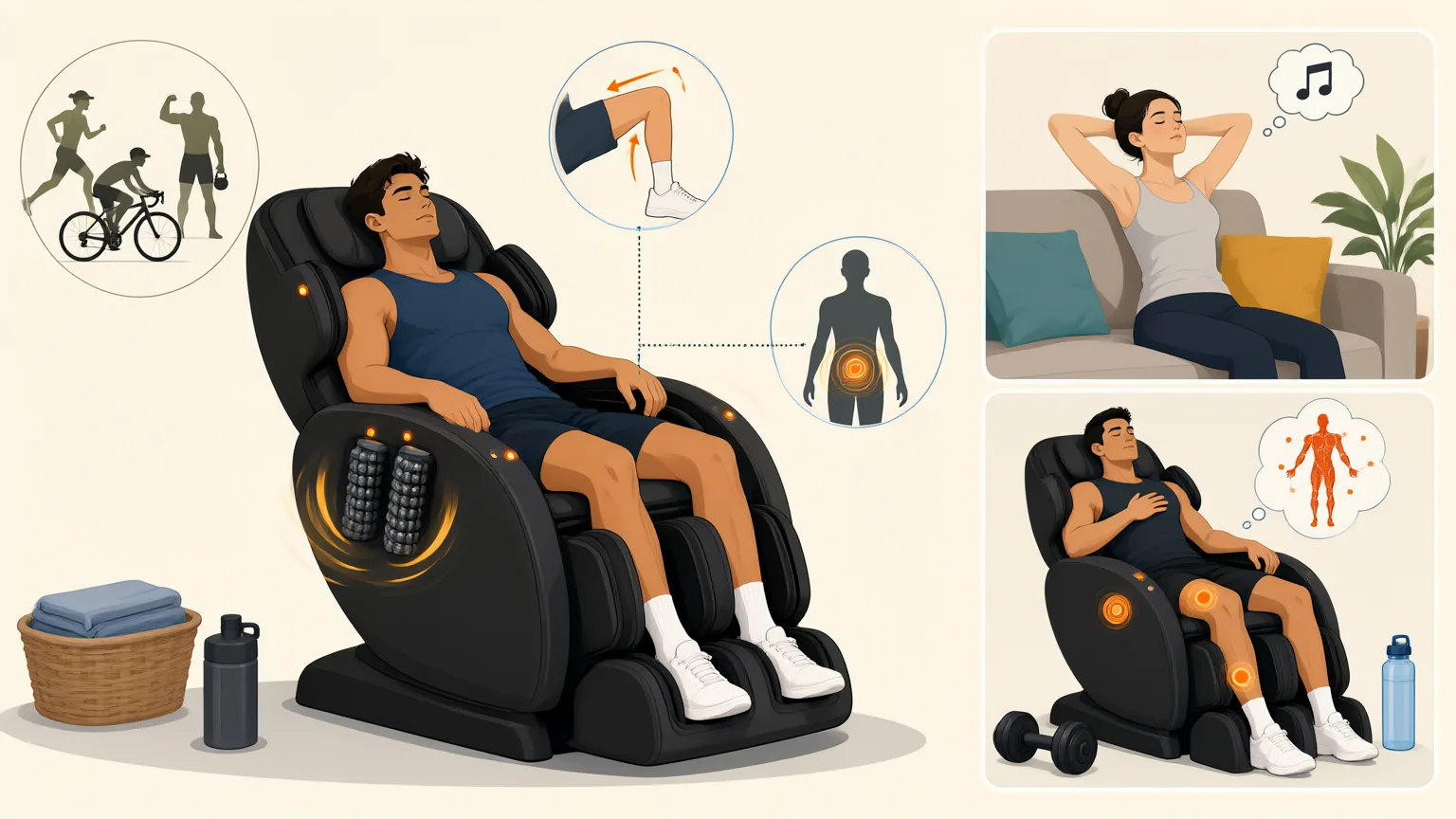
A massage chair for athletes recovery is a full-body chair engineered to do what a sports massage therapist does: knead deep into muscle tissue, press along the spine, and stretch tight areas after training. It is not a relaxation recliner with vibration motors. It is a recovery tool built around deep-tissue massage, zero-gravity positioning, and therapies targeted at the muscles athletes actually load.
Key Features That Define a Recovery-Focused Chair
- Deep-tissue rollers that work muscle layers rather than surface skin. OSIM programs, rollers, and techniques are designed by Japanese chiropractic massage experts to move like a human therapist, not a mechanical vibrator.
- Zero-gravity recline that raises the legs above the heart and reduces spinal compression, so rollers reach the back, glutes, and legs more effectively.
- Targeted therapy zones, including calf kneading, foot reflexology, and lumbar heat, aimed at the areas runners and lifters strain most.
- Body scanning that detects the body shape and adjusts the roller positions, so the session fits your build instead of a fixed preset.
What separates a recovery chair from a general relaxation chair is intent. Recovery chairs prioritize circulation, muscle repair, and injury prevention; relaxation chairs prioritize comfort.
Credentials matter here. OSIM has spent over 47 years developing wellness products and is the only massage chair brand endorsed by the American Chiropractic Association.
How It Fits Into an Athlete's Routine
Picture a runner finishing a marathon. In the days that follow, delayed onset muscle soreness (DOMS) settles into the quads, calves, and feet.
A short session in a recovery chair, with zero-gravity recline and foot reflexology, works those areas while the runner simply sits still. That is the practical value: therapeutic pressure on demand, without booking an appointment.
Ask yourself how often you would use it. If the answer is most days, a recovery-focused chair earns its place.
Why Athletes Need Dedicated Recovery Support
Training is a controlled breakdown. The adaptation that makes you faster or stronger happens afterward, when the body rebuilds what the session damaged. Skip that phase often enough, and the breakdown outpaces the repair.
The Science of Muscle Recovery
Hard training produces measurable disruption:
- Microtears in muscle fibers. Resistance work and repeated impact create small tears in the tissue, the stimulus behind strength gains and the source of next-day soreness.
- Metabolic byproduct buildup. Lactic acid and other waste products pool in working muscles, contributing to the heavy, burning sensation after intervals or long efforts.
- Localized inflammation. The immune response that starts repair also brings swelling, stiffness, and reduced range of motion.
Massage addresses all three by increasing circulation to tired tissue, which supports clearance of metabolic waste and delivery of oxygen and nutrients. The research base is real, if modest: a 2015 review of 25 studies covering 3,096 participants found short-term pain improvements after massage for both acute and chronic low-back pain, though study quality was low. A separate trial of 401 patients with chronic low back pain found about two-thirds of those receiving massage improved substantially at 10 weeks, versus roughly one-third receiving usual care.
Consequences of Skipping Recovery
When recovery is shortchanged, the effects compound:
- Declining performance. Fatigued muscle contracts with less force and reacts more slowly, which shows up in sprint times, lifting numbers, and skill execution.
- Higher injury risk. Chronic tightness in the back, hips, and hamstrings is a leading contributor to training-related injury. Tissue that never fully lengthens is tissue that tears.
- Persistent fatigue. Soreness and poor sleep feed each other. Massage is associated with relaxation and a shift toward rest, which matters because sleep drives adaptation.
This is why recovery tools have moved from pro locker rooms into home gyms. Amateur athletes training for a first marathon or a strength goal now treat daily recovery as part of the program, not an optional extra. A massage chair fits that shift: professional-style kneading and compression available on demand, without an appointment.
Consider how much of your week is currently spent on repair versus breakdown.
How Massage Chairs Accelerate Athletic Recovery
A massage chair does not simply relax you. It works through the same physical mechanisms a sports massage therapist uses: moving fluid, releasing tissue, and shifting your nervous system out of fight-or-flight mode. Here is what is happening beneath the surface.
Circulation and Lymphatic Drainage
Mechanical pressure from rollers and airbags compresses muscle tissue, helping to support circulation in areas that stiffen after hard efforts. For a cyclist, that matters most in the calves and quadriceps, where metabolic waste pools after a long ride. A session with firm calf and leg compression helps relieve everyday strain and supports range of motion.
Fascia Release and Muscle Relaxation
Fascia is the connective tissue that wraps muscle. When it tightens, you feel restricted rather than sore. OSIM programs are designed by Japanese chiropractic massage experts to knead, press, and stretch rather than buzz, which is the difference between a real massage and vibration.
Zero Gravity and Spinal Decompression
Zero gravity reclining elevates your legs above heart level and distributes weight evenly across the back. This reduces spinal compression and lets rollers reach deeper into the back and glutes. A weightlifter carrying heavy spinal load can use this position to ease lower back tension after a squat session.
Heat Therapy for Sore Muscles
Warmth relaxes muscle fibers and improves comfort during deeper work. The OSIM uDeluxe Max Full Body Massage Chair combines warmth therapy with SL Track coverage and Zero Gravity, so heat and roller pressure reach the same areas at once.
Used consistently, these four mechanisms compound. For a closer look at how daily massage supports recovery, see Are Massage Chairs Good for You? Benefits & Evidence.
Key Features to Look for in a Recovery Massage Chair
Not every chair that feels good after a workout is engineered for athletic recovery. The difference comes down to a handful of technologies, and knowing what each one does helps you judge whether a chair will still serve your training five years from now.
Massage Technology: 2D vs. 3D vs. 4D
- 2D rollers move only up and down the back. They provide surface-level relief but cannot adjust how deeply they press.
- 3D rollers add a depth dimension, extending outward to push into muscle tissue the way a therapist leans into a knot.
- 4D rollers add rhythm and speed variation, so the massage can shift between slow, deep pressure and quicker strokes within a single program.
For athletes, 4D matters because tight fascia does not release under uniform pressure. The OSIM uDivine V3 is a 4D full-body massage chair built with Dual-SL Track coverage, so the roller path follows your spine and reaches the glutes and hamstrings in one continuous pass.
Body Scanning and Customization
Body scanning maps your body shape and locates your shoulder position before the massage begins. Without it, rollers land where the factory set them, not where your muscles actually sit. This is why two athletes of different heights can use the same chair and get entirely different pressure.
OSIM chairs use this scanning to adjust massage position, and the uDream·AI, uLove3, and uDivine V3 add AI-powered wellness analysis for further personalization.
Targeted Therapies: Heat, Airbags, and Rollers
- Heat therapy warms tissue before deep work begins, which is why the uDeluxe Max pairs warmth therapy with 3D massage and SL Track coverage.
- Airbags apply compression to the calves, feet, arms, and shoulders, areas rollers cannot reach effectively.
- Zero-gravity recline raises your knees above heart level, distributing body weight evenly and letting the rollers work deeper into the back and legs.
- Reflexology rollers target the plantar arch, useful after long runs and heavy leg sessions.
Two OSIM technologies show what advanced engineering looks like in practice. V-Hand™ Shoulder Grip wraps and kneads the shoulder capsule the way a therapist's hands would, rather than poking at it. Tui-Na Gliding Massage reproduces the long, sweeping strokes of traditional Tui Na, moving along muscle chains instead of pulsing in one spot.
| Feature | What It Does | Why Athletes Need It |
|---|---|---|
| 2D rollers | Vertical travel only | Light relaxation, not deep recovery |
| 3D rollers | Adds depth control | Reaches deeper muscle layers |
| 4D rollers | Adds rhythm and speed | Mimics real therapist variation |
| Body scanning | Maps body shape | Correct roller placement for your frame |
| SL Track | Continuous spine-to-glute path | Covers lower back and hamstrings |
| Airbags | Compression on limbs | Flushes circulation in calves and feet |
| Heat therapy | Warms tissue | Loosens tightness before deep work |
| Zero gravity | Reclines legs above heart | Decompresses the spine, deeper reach |
| V-Hand™ Shoulder Grip | Wraps the shoulder | Relieves swimmer's and lifter's shoulders |
| Tui-Na Gliding Massage | Long sweeping strokes | Works along muscle chains, not single points |
Before you compare price tags, decide which of these you will actually use. A runner with calf tightness will value airbags and reflexology rollers; a lifter with shoulder restrictions will notice the difference V-Hand™ Shoulder Grip makes.
Maximizing Recovery: Protocols and Best Practices
A massage chair only delivers recovery value when you use it well. Timing, duration, and frequency matter as much as the technology inside the chair.
Post-Workout Routine
- Timing: Wait 30 to 60 minutes after intense training. Massage immediately after hard efforts can add to tissue stress rather than relieve it.
- Duration: Keep sessions to 15 to 20 minutes. Longer is not better; the goal is consistent, moderate stimulus.
- Frequency: Daily use is reasonable for active people. Many users pair a short morning session with a longer evening one.
The OSIM uDream·AI Well-Being Massage Chair offers AI-powered wellness analysis, so the chair can suggest programs based on your current state rather than a fixed preset. That turns a generic session into a tailored one.
Sport-Specific Recovery
- Runners: Prioritize calf kneading, foot reflexology, and Zero Gravity reclining to ease lower-leg congestion.
- Office workers: Focus on the back and neck. Lumbar press and heat therapy address the stiffness that builds during long desk hours.
OSIM's lifestyle massage programs, developed by Japanese chiropractic experts, give you structured routines instead of guesswork.
Complementary Recovery Habits
Massage works best alongside the basics:
- Hydration supports circulation and metabolic waste clearance.
- Nutrition provides the protein and carbohydrates your muscles need to rebuild.
- Sleep remains the single largest driver of adaptation.
- Stretching maintains range of motion between sessions.
Consider how these habits fit your week, then let your chair handle the rest.
Choosing the Right Massage Chair for Your Needs
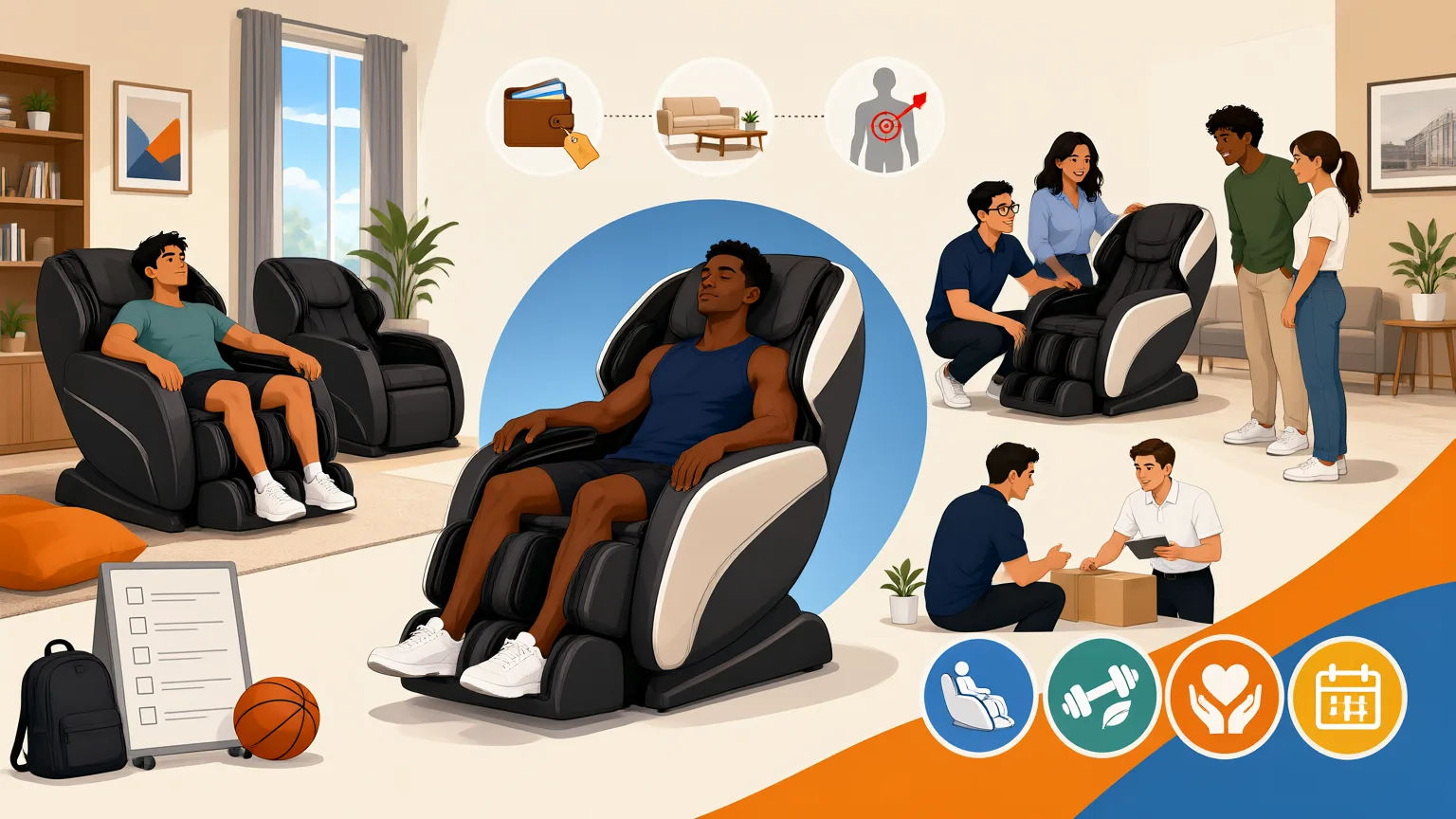
A recovery chair is a long-term purchase, so match it to how you actually train, not to a feature list. Start with your body, then work outward to budget, floor space, and the protections that make a trial worthwhile.
Assessing Your Recovery Needs
Before comparing models, write down what your body asks for most often. A short list keeps the decision grounded:
- Primary complaint, lower back tightness, shoulder tension, calf and foot fatigue, or general post-session soreness.
- Training load, daily training calls for deeper, more adjustable programs; weekend activity may suit simpler coverage.
- Preferred intensity, some athletes want firm deep-tissue pressure, others want gentler stretching and relaxation.
- Time available, a 15-minute session after training is realistic; a 45-minute ritual often is not.
If lower back strain is your main issue, our guide to the best massage chair for lower back pain relief walks through the features that matter most. Anyone managing a specific injury or medical condition should consult a healthcare professional before adding chair massage to a recovery routine.
Budget and Space Considerations
Set a comfortable range before you shop. OSIM USA sells premium full-body massage chairs across a spectrum, from affordable premium models to advanced luxury chairs, so there is a fit at more than one price point.
Measure twice. Confirm the chair's footprint when fully reclined, not just upright, and check clearance behind it. If your training space is tight, our best massage chair for small spaces guide covers layouts that still allow full recline.
The Importance of Testing and Warranty
A showroom trial tells you more than any specification sheet. Sit in the chair, run a full program, and note whether the rollers reach your shoulders and lower back the way a therapist would.
OSIM operates physical retail showrooms in Los Angeles, San Jose, and San Francisco:
SIM USA offers a three-year limited warranty on massage chairs, and OSIM is the only massage chair brand endorsed by the American Chiropractic Association, recognition that signals spinal health has been independently reviewed, not just marketed.
Frequently asked questions
What should athletes look for in a massage chair for recovery?
Prioritize true mechanical massage over vibration: rollers that knead, press, and stretch like a therapist, plus adjustable intensity and body scanning to hit your pressure points. Look for programs engineered for recovery, such as Japanese Shiatsu and stretching routines, and credible endorsements. OSIM chairs are designed by Japanese chiropractic massage experts and are the only massage chair brand endorsed by the American Chiropractic Association.
How does a massage chair help with post-workout muscle recovery?
A massage chair works muscles through kneading, pressing, and stretching rather than surface vibration, which is what a real massage therapist does. That mechanical action helps relieve everyday strain and supports relaxation after training.
Features like Zero Gravity positioning and targeted heat add comfort and spinal decompression. Think of it as consistent, convenient recovery between sessions with a professional.
Can a massage chair replace a sports massage therapist?
No, it complements professional care rather than replacing it. Many people who see a massage therapist regularly use a chair to get that quality of massage every day at home.
OSIM chairs reproduce therapist-style techniques, including Shiatsu, Tui Na, Thai Stretch, and Balinese Spa programs, so you can maintain recovery on days between appointments. For injury diagnosis or treatment, always consult a qualified professional.
How often should athletes use a massage chair?
Most athletes use a chair daily or after training sessions, keeping sessions moderate and adjusting intensity to how your body feels. Consistency matters more than duration: short, regular sessions support relaxation and relieve everyday strain.
Use body scanning to let the chair detect your pressure points and tailor intensity. If you have an injury or medical condition, check with your healthcare provider first.
Final thoughts
Recovery is part of training. A massage chair engineered for kneading, pressing, and stretching offers consistent daily relief between sessions, reflecting OSIM's collaboration with Japanese chiropractic massage experts. OSIM is also the only massage chair brand endorsed by the American Chiropractic Association, a credential worth weighing when you compare options.
The clearest next step is to sit in one. OSIM USA has California showrooms in Arcadia, Brea, San Francisco, and Santa Clara, where you can feel the rollers and track firsthand before deciding. Bring your recovery goals, test the programs that match them, and judge for yourself.

